
How China Built its Technosphere in Zambia
China: Technosphere provides a biweekly deep-dive into China’s technological control at home and influence abroad.
Any translations into English are unofficial and informal. All Chinese-language links in this brief are safe to click on. They will lead you to an archived version of the websites or search engine results. However, do avoid going on the actual websites, as this might expose you to being tracked by the Chinese state.
Subscribe for free, or support China: Technosphere with a paid subscription to unlock the full archive of previous posts and the database of featured companies.
Biweekly Feature: China’s Deepening Footprint in Africa
Key takeaway: China’s influence over Zambia was on full display when RightsCon was cancelled on 29 April 2026. This China: Technosphere issue highlights how Zambia became dependent on Beijing and what technological services China provides in the country, and beyond, in Africa. One Chinese company, in particular, has been prolific in building military, police, and presidential facilities all across the continent.
On 1 May 2026, it became public knowledge. Chinese pressure on Zambia resulted in the world’s largest digital rights conference RightsCon to be cancelled. RightsCon was planned to take place in Lusaka, Zambia. How come China has such (technological) influence over Zambia?
The early days of influence in Zambia
I first looked at China’s involvement in Zambia in my PhD thesis half a decade ago. There, I describe how Zambian entanglement with China developed after major anti-government protests erupted in 2011 and 2014 in Zambia.
In 2015, newly inaugurated Zambian President Edgar Lungu travelled to Beijing to establish an information and communication trainings hub in Zambia. It turned out that this training centre housed Huawei employees that allegedly aided the Zambian government intercept the digital communications of journalists and opposition groups. Then in 2016, Zambian journalists attended propaganda trainings in China and in 2018 a Zambian minister voice that China is following “the China way” of managing the internet.
Because Zambia both strongly relied on Chinese surveillance technology and stated that China is a central influence on how it manages technology domestically, I placed it in the core of China’s technopshere. Only 7 other countries displayed such deep influence at the time: Egypt, Iran, Tanzania, Thailand, Uganda, Vietnam and Zimbabwe.
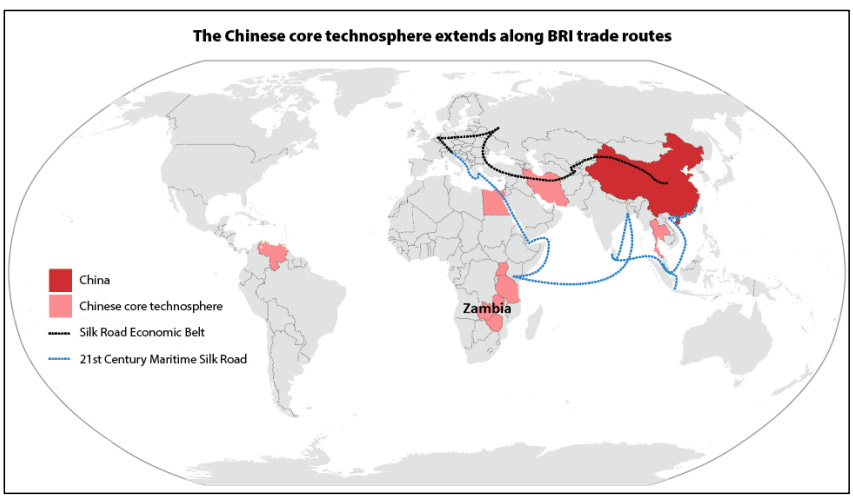
Figure 1: The Chinese core technosphere is where influence is strongest. (Source: Weber PhD thesis).
Chinese tech influence in Zambia in the 2020s
Sefonsoft, another Chinese company, supplied equipment for the Zambia Public Security Command Center, which is primarily used for police command and dispatch. Sefonsoft also built the Smart Port in Yanbu, Saudi Arabia, that we examined in a previous issue of China: Technosphere. Sefonsoft also built the Urumqi Rail Transit Command Center, which offers “counter-terrorism” functionalities and CCTV monitoring. Sefonsoft’s partners include Huawei and the China Electronics Technology Group Corporation (CETC).
In 2024, CETC, for its part, established the Zambia Science and Technology Innovation Center in cooperation with the Zambian Minstry of Higher Education and the University of Zambia. This Center engages in training cybersecurity personnel in Zambia. Guoxin An (国信安), a subsidiary of CETC, is the implementing unit.
ZTE, another Chinese company, completed a safe city project in 2022, with a national command center in Lusaka, the capital, and eleven regional command centers.
The company that teamed up with ZTE to construct the safe city project was China Jiangsu International (中江国际 ). Jiangsu International is an engineering company that has been building sensitive government buildings all across Africa.
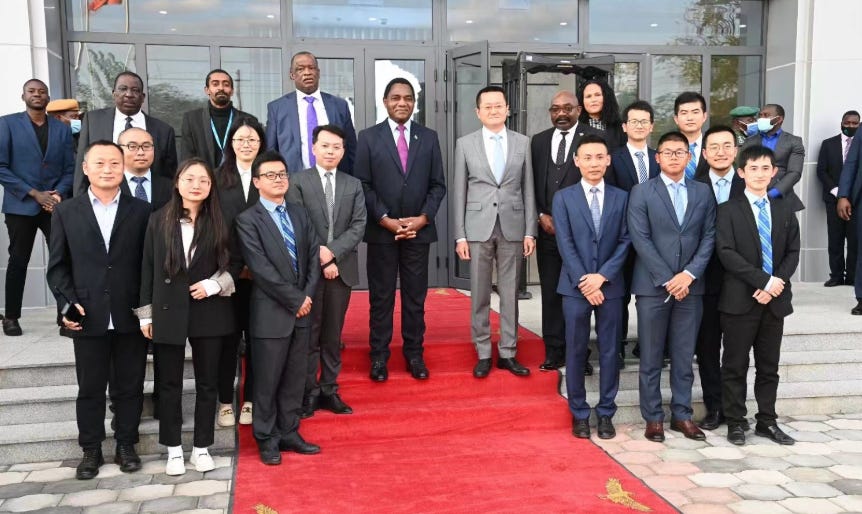
Figure 2: Jiangsu International employees and Zambian government representatives. (Source: Jiangsu International).
Company spotlight: China Jiangsu International (中国江苏国际经济技术合作集团有限公司)
Jiangsu International is based at No. 199-1, International Road, Qinhuai District, Nanjing City, Jiangsu Province. Below are a few examples of the buildings that Jiangsu International constructed. These facilities come very likely with Chinese IT equipment. And these buildings are important to keep in mind, because China refurbished the Mulungushi International Conference Center in Lusaka that was supposed to host the RightsCon summit in Zambia. China did the job for “free” and with “no strings attached”. But the cancellation of the summit paints a different picture. Chinese constructed or refurbished buildings that come as “gifts” translate into pressure, influence, and cyber espionage1.
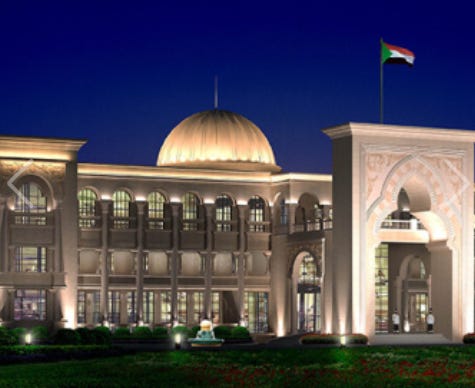
Figure 3: Sudan’s Presidential Palace (Source: Jiangsu International)
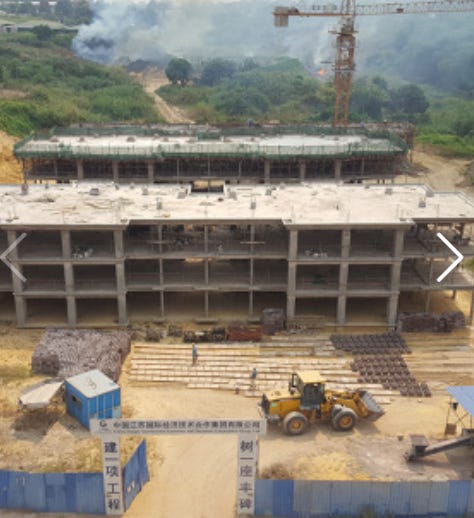
Figure 4: Brazzaville military camp project, Congo (Source: Jiangsu International)
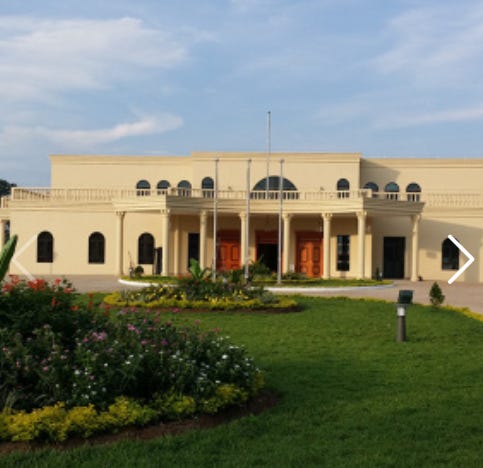
Figure 5: Brazzaville Palace Project, Congo (Source: Jiangsu International)
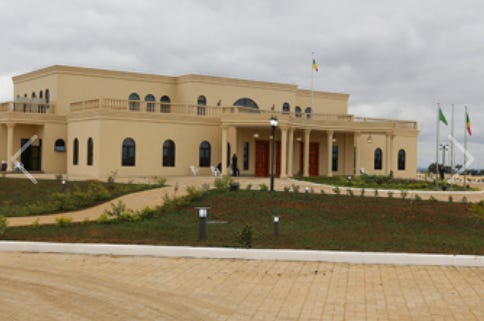
Figure 6: Sibiti Presidential Palace, Congo (Source: Jiangsu International)
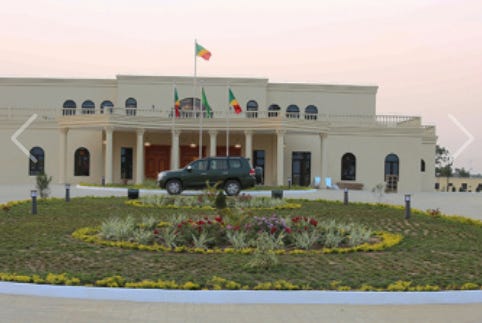
Figure 7: Djmbala Presidential Palace, Congo (Source: Jiangsu International)
More examples of Jiangsu International construction projects include:
Police Department of Otjomuise, Namibia (Source: Jiangsu International)
Forensic laboratory building of the Botswana Police Department in Gaborone (Source: Jiangsu International)
Botswana high court (Source: Jiangsu International)
Zimbabwe Criminal Investigation Department Command & Forensic Science Laboratory (Source: Jiangsu International)
What appears to be a temporary presidential palace in Brazzaville, Congo. (Source: Jiangsu International)
Thank you for reading China:Technospehere.
The information presented in this biweekly brief is intended solely for informational and academic purposes. It reflects the author’s independent research, analysis, and opinions, and does not constitute legal, financial, investment, or professional advice.
While every effort has been made to ensure the accuracy and timeliness of the content, no guarantee is provided regarding the completeness or correctness of the information. Readers are encouraged to conduct their own due diligence before drawing conclusions or making decisions based on this publication. The author disclaims any liability for actions taken or not taken based on the contents of this brief.
China financed the African Union headquarters in Addis Ababa and the telecommunications equipment was partly provided by Huawei. Once the building was up and running, data was flowing secretly from Addis Ababa to unknown servers in Shanghai for five years (2012-2017) until Le Monde revealed the espionage operation.